Man with a Van in West Kensington

Our man with a van in West Kensington service is set up for straightforward moving and transport work when you need items collected, carried and delivered with care. It suits single items, part-load moves, smaller home relocations and practical help with furniture or boxes. The service is arranged around efficient loading, sensible route planning and careful handling, so the work stays simple for the customer while still giving attention to the items being moved.
We support everyday removals that do not need a large lorry, including household items, light office contents and mixed loads that benefit from a flexible vehicle. If you are comparing options, our service pages explain the different types of moving support we provide, including man and van transport, man and van removals and removal services. That makes it easier to match the job to the right level of support without paying for more vehicle space than you need.
If you would like a quotation, send the details of what needs moving and the collection and delivery points. Request a price when you are ready, and we can help you shape the job around the load, access and timing.
What the service covers
Our work typically covers the practical parts of moving rather than a full, large-scale removal operation. That can include lifting items from a flat, carrying boxes to the vehicle, securing goods for transit and unloading at the destination. The approach is useful when the job is too bulky for a car but does not justify a complex moving plan. It gives you a simple way to move possessions, furniture or equipment with manageable support.
For customers moving home, the service can be used for a few rooms of furniture, appliances, suitcases or mixed household effects. For businesses, it may suit archive boxes, chairs, small desks or ad hoc items going between premises. If you need a broader domestic move, our home moves and house removals pages describe more fully planned household moving support, while movers gives a wider overview of the help available.
The key decision is usually whether you need simple transport, help with carrying, or a more organised move with packed loads and multiple stops. For some jobs, a single journey is enough; for others, it makes sense to group several pieces together. Either way, the service is designed to be practical, direct and easy to arrange without unnecessary complexity.
Furniture, household items and light specialist loads

Many customers use a man and van arrangement for furniture and household items that are awkward to move alone. Sofas, beds, wardrobes, tables, chests of drawers and boxes often need controlled handling to reduce the chance of damage. When the load is a mixed set of pieces rather than a whole house contents move, a van-based service can be a sensible fit because it combines transport with hands-on assistance at both ends of the journey.
We also support collections of single items where the main challenge is size or weight rather than volume. That might include a replacement sofa, a few flat-pack packages, or items collected from a store, storage unit or private address. If you are looking for a more focused collection option, furniture pick-up explains the kind of work commonly associated with larger or heavier pieces, while moving van is useful when you want to consider the transport side more closely.
Where access is straightforward, the work can be fast and direct. Where access is tighter, care becomes more important, especially for stairways, hallways and door frames. The aim is not to force every load into the same shape of move, but to choose an approach that suits the item and the property. That flexibility is one reason the service is so widely used for practical removals.
Home moves made simpler
A smaller home move can often be handled effectively with van transport and loading help rather than a larger removal setup. This is especially relevant for one-bedroom properties, studio flats, student moves and partial household relocations. The service works well when you have selected furniture, packed boxes and a few larger belongings that need moving together, but not an entire multi-vehicle operation.
For larger domestic jobs, the distinction between a man with a van and a full household removals service matters. Our house movers and house removalists pages sit alongside the broader house removals offer, which may be more suitable where the volume is greater or the move needs a fuller plan. When the load is smaller, the van-based option keeps the move lean and straightforward.
Useful preparation can make the day run more smoothly. Have packed boxes closed and labelled, keep pathways clear where possible and separate anything you want loaded last or unloaded first. That does not mean the move has to be over-prepared; it simply helps the work flow in a sensible order. Clear organisation at the start often reduces delays later in the job and makes collection and delivery more predictable.
Commercial and office transport
Van-based moving is not only for homes. It can also support office and commercial work where the load is modest but needs careful handling. Typical examples include desks, chairs, boxed files, monitors, small cabinets and equipment being moved between floors, units or nearby premises. For some businesses, the right solution is not a large relocation team but a reliable transport arrangement that can fit around working hours and access restrictions.
If you need a more structured business move, our commercial moves and office removals pages set out the wider scope of business relocation support. Where the task is narrower, this van service can be used for smaller transfers, one-off deliveries or the removal of surplus items from a workspace. It is a practical option when the job is important but not extensive.
Office moves often benefit from a simple sequence: identify what is going, separate fragile items, and decide which parts of the move need extra care. That is usually enough to keep the process manageable. If there are multiple stops or different drop-off points, those details can be included in the plan so the journey makes sense from the start.
About West Kensington

West Kensington is a district in the London Borough of Hammersmith and Fulham, positioned between Hammersmith to the west, Kensington to the east and Fulham to the south. Its transport identity is strongly shaped by the District line station that gives the area its name, along with nearby connections at Barons Court and Kensington Olympia. The district developed rapidly in the late nineteenth and early twentieth centuries as London expanded westward, and much of its built character still reflects that period of urban growth. Residential streets here commonly combine terraced housing, mansion blocks and later infill development, creating a varied streetscape rather than a single uniform look.
One of the best-known landmarks is Olympia, the long-established exhibition venue just to the north-east of the district boundary, which has helped anchor the area within west London’s event and commercial landscape for well over a century. The surrounding streets are also close to major routes such as North End Road and Hammersmith Road, and to a wider pattern of parks, squares and garden spaces across the borough. West Kensington has a local feel, but it also sits within a busy central-west London setting where rail, Underground and road links shape everyday movement. That blend of urban convenience and residential scale is part of what gives the district its character, alongside its proximity to Kensington, Hammersmith and Fulham. For visitors and residents alike, the area is less about a single destination than a network of streets, station links and historic layers that reveal how west London has grown over time.
Within that setting, the neighbourhood’s mix of homes, small businesses and transport connections gives it a steady, lived-in atmosphere. It is a place defined by everyday movement as much as by landmark buildings, with local streets connecting to broader London destinations in a compact and practical way.
Planning the move
A simple plan usually gives the best result. Start by deciding what needs to go, whether the job involves one address or several, and whether any items are especially heavy, fragile or awkward to carry. That helps determine the vehicle space required and whether the work is a straightforward collection, a small move or something needing extra handling. For many customers, that clarity is the difference between overcomplicating the job and choosing a practical solution.
It also helps to think about access. Narrow staircases, limited parking, shared entrances and loading restrictions can all affect how the move is carried out. If you have a clear idea of the access at both ends, the service can be arranged in a way that suits the day’s actual conditions. You do not need a long checklist, but it is useful to mention anything that could affect loading or delivery so the plan is realistic from the outset.
If your move includes packing support, our packing and unpacking services page covers a helpful part of the wider moving process. Some customers prefer to prepare everything themselves; others want support with the boxes before the transport begins. Both approaches can work, and the right choice usually depends on time, volume and how much assistance you want at either end of the move.
Vehicle choice, load size and timing
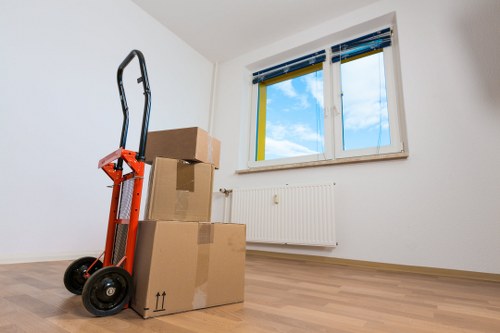
The right van depends on the type of load rather than on a fixed idea of what a move should look like. A small collection may only need enough room for a few items and secure loading, while a fuller part-load move might call for more space so the items can be arranged safely. Choosing the right size matters because it affects how efficiently the items fit, how many journeys are required and how manageable the loading process will be.
Timing can also influence the best approach. Some jobs are better handled when the properties are quieter, while others need to fit around keys, building access or business hours. If the move has to happen in stages, it may be useful to treat it as a sequence of smaller tasks rather than one large transfer. In that situation, the service can be shaped around the practical realities of the day instead of forcing the job into an unsuitable format.
There are occasions when another page will be more relevant than a standard van move. Our removals and removal company pages provide a broader picture of the services available, while removal companies offers a wider comparison point for customers thinking about the type of support they need. These pages are useful when you are deciding whether the job is small, medium or more fully organised.
Handling and protection
Good handling is central to any van-based move. Furniture needs to be lifted in a controlled way, packed so it stays steady during transit and unloaded without unnecessary strain on the items or the property. Even when the load is not especially large, the value of careful handling is that it protects both the belongings and the route they travel through. That includes doorways, corners, shared hallways and the interior of the vehicle itself.
Some items need more attention than others. Mirrors, framed pictures, glass shelves, electronics and delicate fittings may be packed separately or kept apart from heavier pieces. This is one of the reasons why item-by-item thinking matters: it is not enough to know how many boxes there are if one box contains fragile contents and another contains tools or books. If the load includes sensitive items, they should be identified early so the moving plan reflects that.
For customers who are weighing up how much support they need, our insurance and safety page and the health and safety policy outline related considerations on the site. They are useful background reading when the job includes heavier lifting, access challenges or valuable items that deserve extra care during the move.
Quotes and price factors
When people ask for a quotation, the most useful information is usually the nature of the load, the distance involved and the access at both ends. A small, direct collection is very different from a multi-stop move or a job with several flights of stairs, so the details help shape a more suitable estimate. The aim is to give a quotation that reflects the work properly rather than forcing every job into the same pattern.
Other factors can include the number of items, whether dismantling or reassembly is needed, and whether the move needs to fit within a particular time window. If you are comparing options, our pricing and quotes page is the clearest place to start. It is also worth checking whether a simple transport job or a wider removal package better matches the move, because the right scope can make the overall arrangement more efficient.
For the best result, keep the enquiry focused on facts rather than assumptions. A rough list of items, the collection point, the destination and any access notes is usually enough to begin. From there, the work can be matched to the vehicle and level of support that fits the job. If you are ready, you can ask for a quotation now and move forward with a clear plan.
Helpful site information and next steps

Customers sometimes want a little more detail before confirming a move, especially when they are deciding between similar services. In those cases, it helps to look at the broader pages that explain how the business is organised. Our about us page provides background on the company, while contact us is the direct route for sending an enquiry. If you are checking how personal information, payment handling or site use is managed, the relevant policies are available on the website as supporting information.
There are also pages for people comparing related moving options. The removal van and removals van pages are useful where vehicle-led transport is the main concern, while moving truck and removal truck hire may be relevant if you are exploring different transport formats. For customers who want to understand how the wider service fits together, these pages give a broader view without requiring a large move to be overcomplicated.
Whether you need a single-item collection, a small flat move or practical help with office contents, the aim is the same: keep the move safe, sensible and easy to arrange. If you would like to go ahead, send the details and make an enquiry when convenient.